Daily Current Affairs & News Analysis
Our daily news analysis consists of two integral parts — Daily News Analysis and Important Editorials curated rigorously from The Hindu, The Indian Express, LiveMint, PIB, and Sansad TV debates. Content is mapped directly to UPSC CSE and State PCS syllabi.
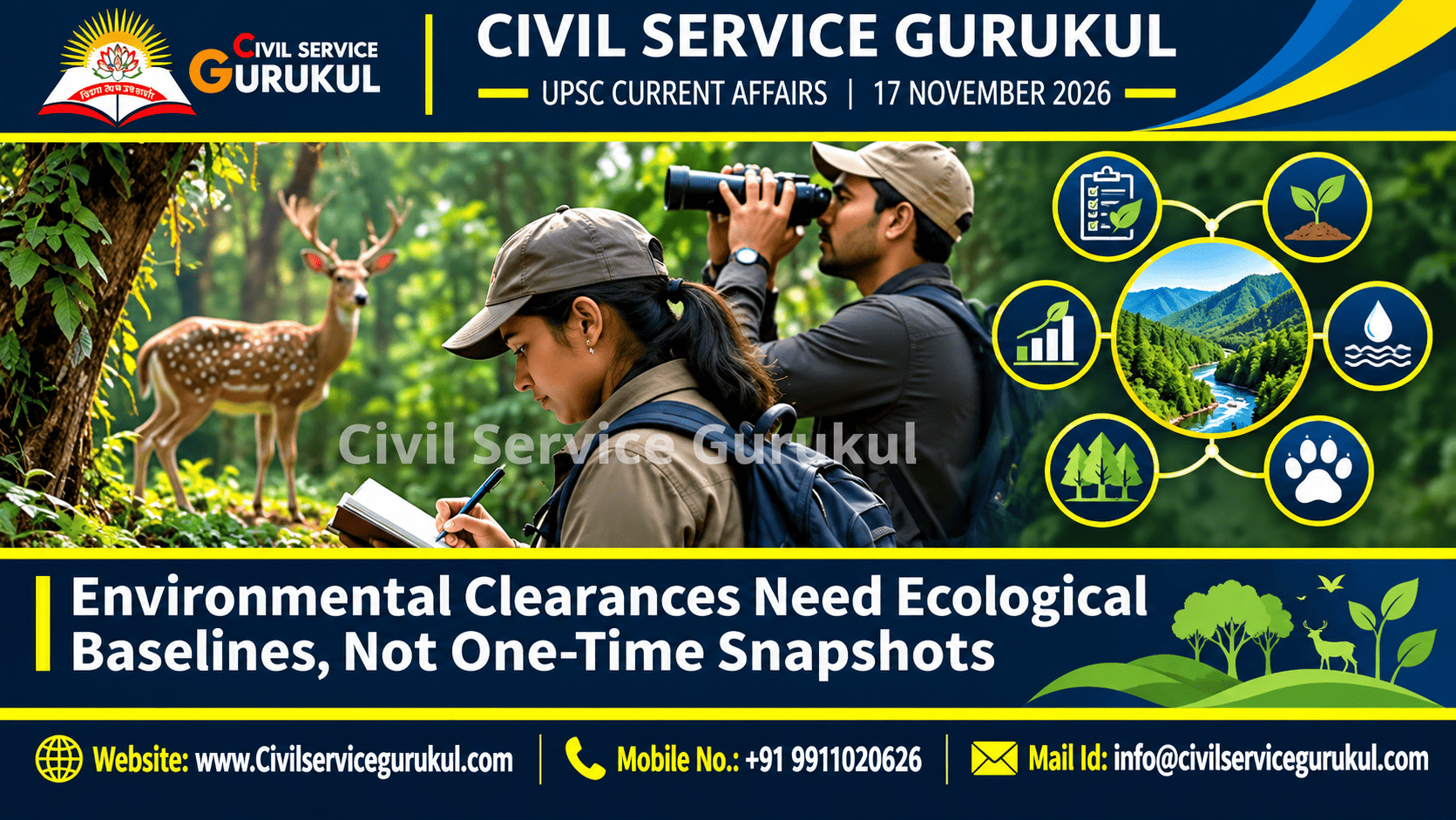
Environmental Clearance & Ecological Baselines — UPSC
Environmental clearances are essential for balancing infrastructure development with ecological protection. However, environmental impact assessments based on short-duration or one-time surveys may fail to capture seasonal biodiversity, monsoon hydrology, groundwater stress and cumulative environmental impacts. The quality of baseline environmental data is therefore central to credible project appraisal. This Civil Service Gurukul analysis examines ecological baselines, environmental impact assessment, institutional accountability, independent scientific review, public participation and post-clearance monitoring, along with reforms needed to make environmental governance transparent, evidence-based and effective.
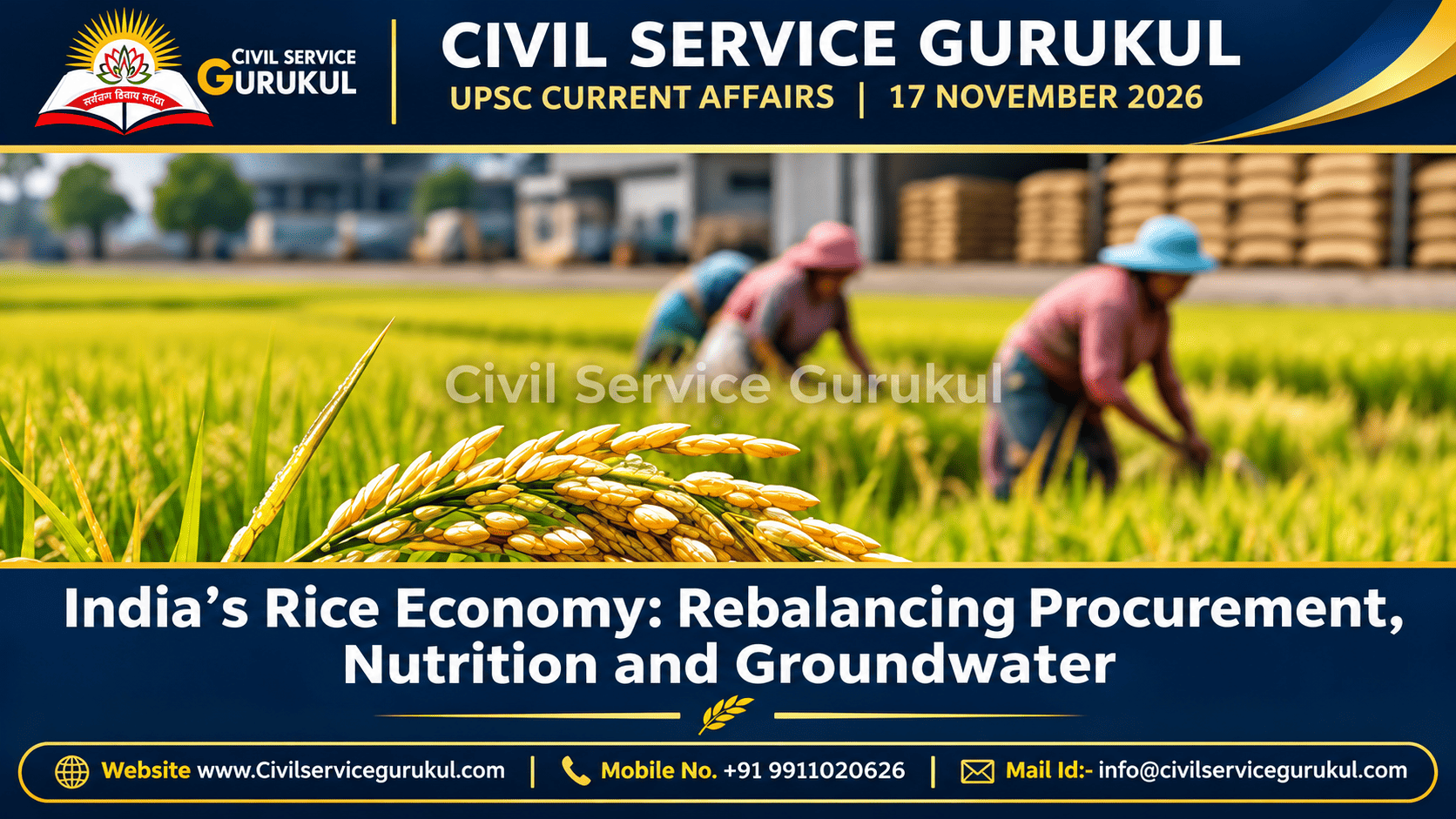
India's Rice Economy: MSP, Food Security & UPSC
India's rice economy supports food security, farm incomes and the Public Distribution System, but it also presents significant challenges for groundwater sustainability and agricultural diversification. Minimum Support Price signals, assured procurement and state-level electricity subsidies influence farmers' cropping decisions. Meanwhile, rice cultivation's water footprint varies across agro-climatic regions, irrigation methods and crop varieties. This Civil Service Gurukul analysis examines the role of the Food Corporation of India, paddy procurement, nutritional security, groundwater stress and policy reforms needed to balance farmer welfare, environmental sustainability and diversified food systems.
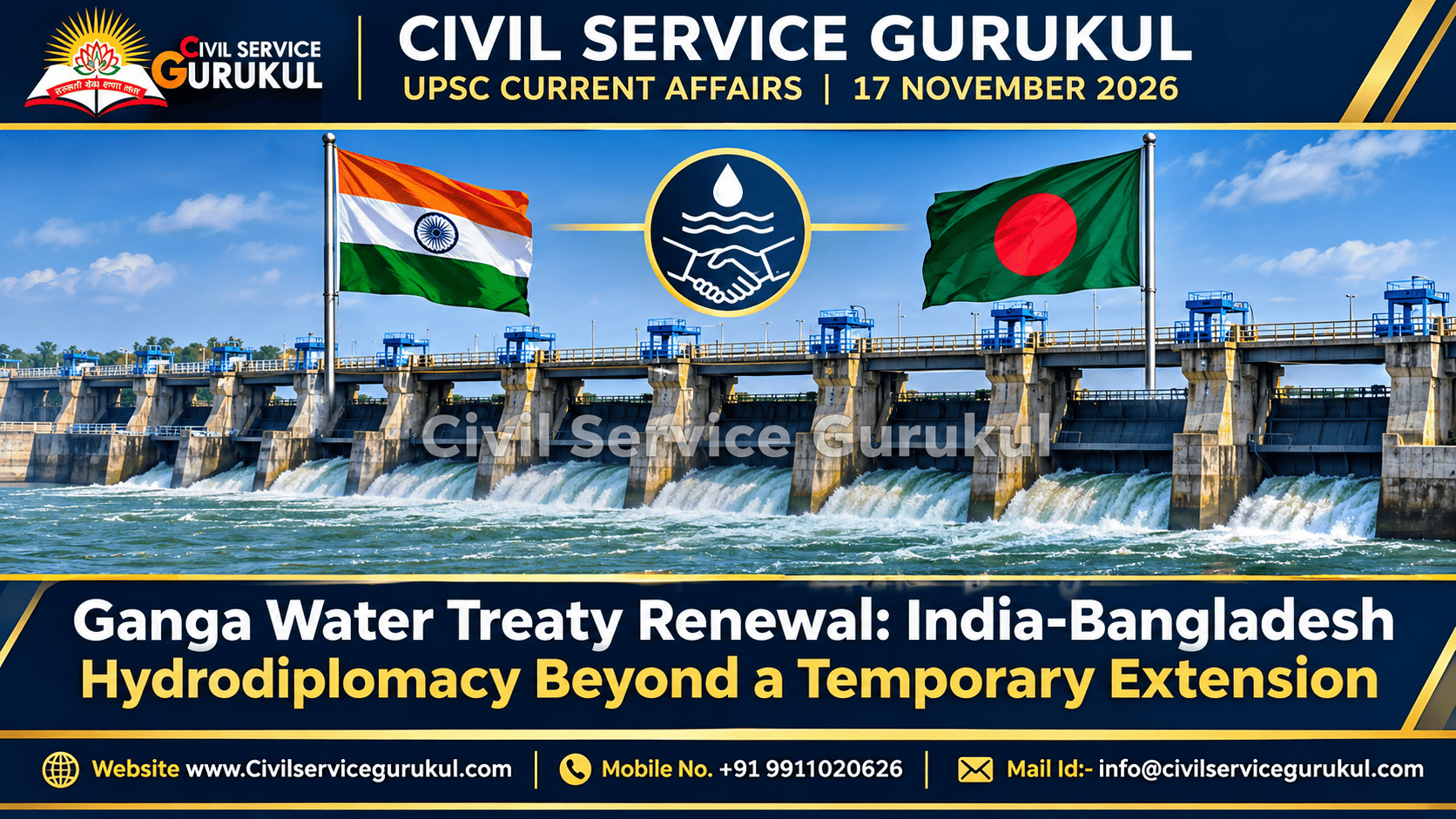
Ganga Water Treaty 2026: India–Bangladesh & UPSC
The 1996 Ganga Water Sharing Treaty between India and Bangladesh has entered a crucial phase in 2026 as its original 30-year term approaches completion. The supplied editorial refers to an expert proposal for a temporary renewal, but this should not be confused with a concluded bilateral agreement. The treaty governs dry-season water sharing at Farakka, while changing rainfall patterns, upstream water demand, sedimentation and ecological requirements create new challenges. This Civil Service Gurukul analysis examines the treaty's historical background, the importance of hydrodiplomacy, the advantages and limitations of a temporary extension, and the need for a transparent, adaptive and climate-resilient water-sharing framework.
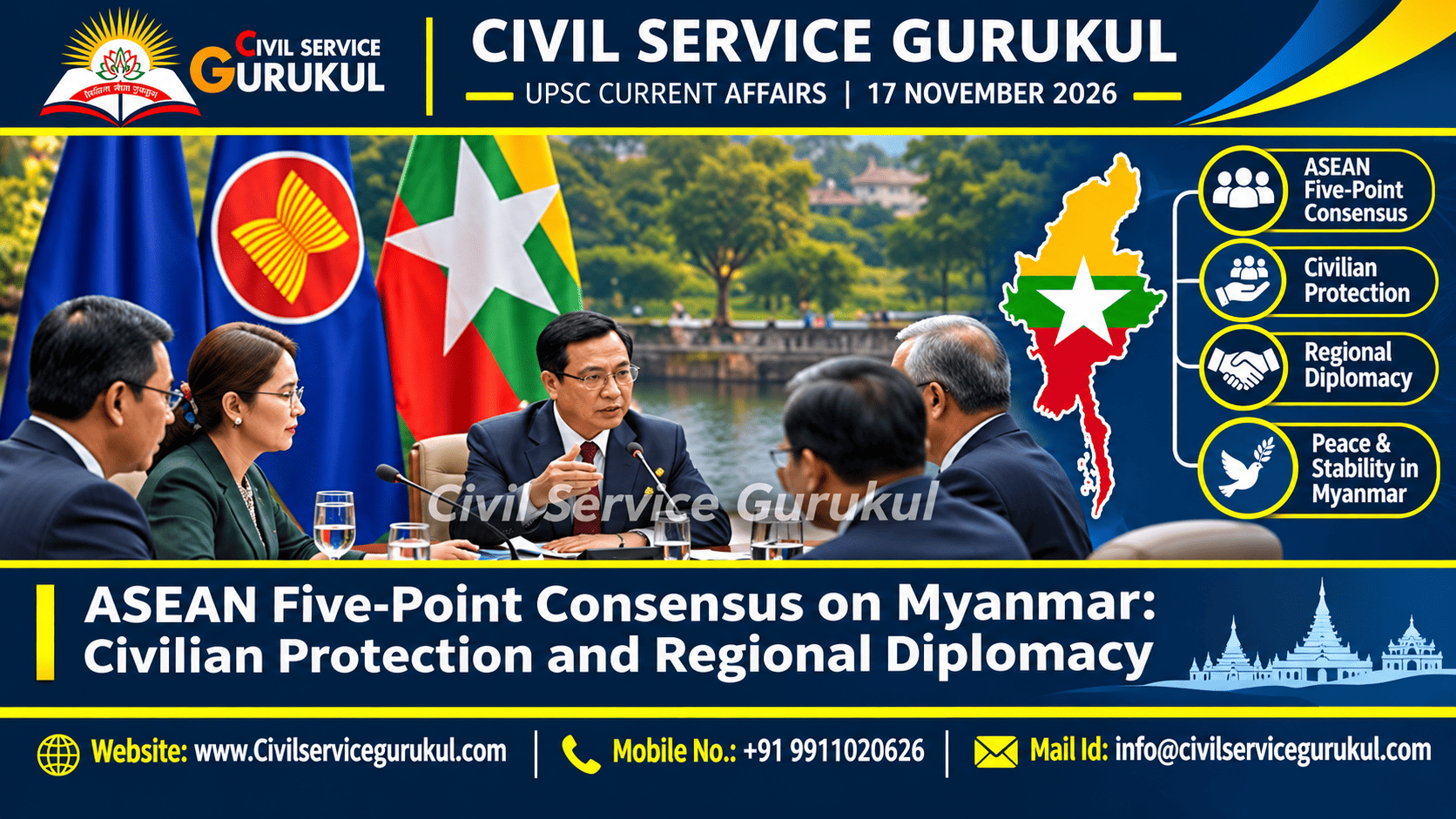
ASEAN Five-Point Consensus & Myanmar Crisis — UPSC 2026
The Myanmar crisis continues to test ASEAN's ability to promote peace, protect civilians and coordinate humanitarian assistance through regional diplomacy. The supplied editorial reports that an ASEAN review dated 15 November 2026 reaffirmed the Five-Point Consensus, condemned violence against civilians and civilian infrastructure, and called for improved humanitarian access. The crisis also has implications for India through its northeastern border, displacement concerns, trafficking risks and regional connectivity. This Civil Service Gurukul analysis examines ASEAN's Five-Point Consensus, the AHA Centre, diplomatic limitations, humanitarian neutrality and the strategic choices facing India.
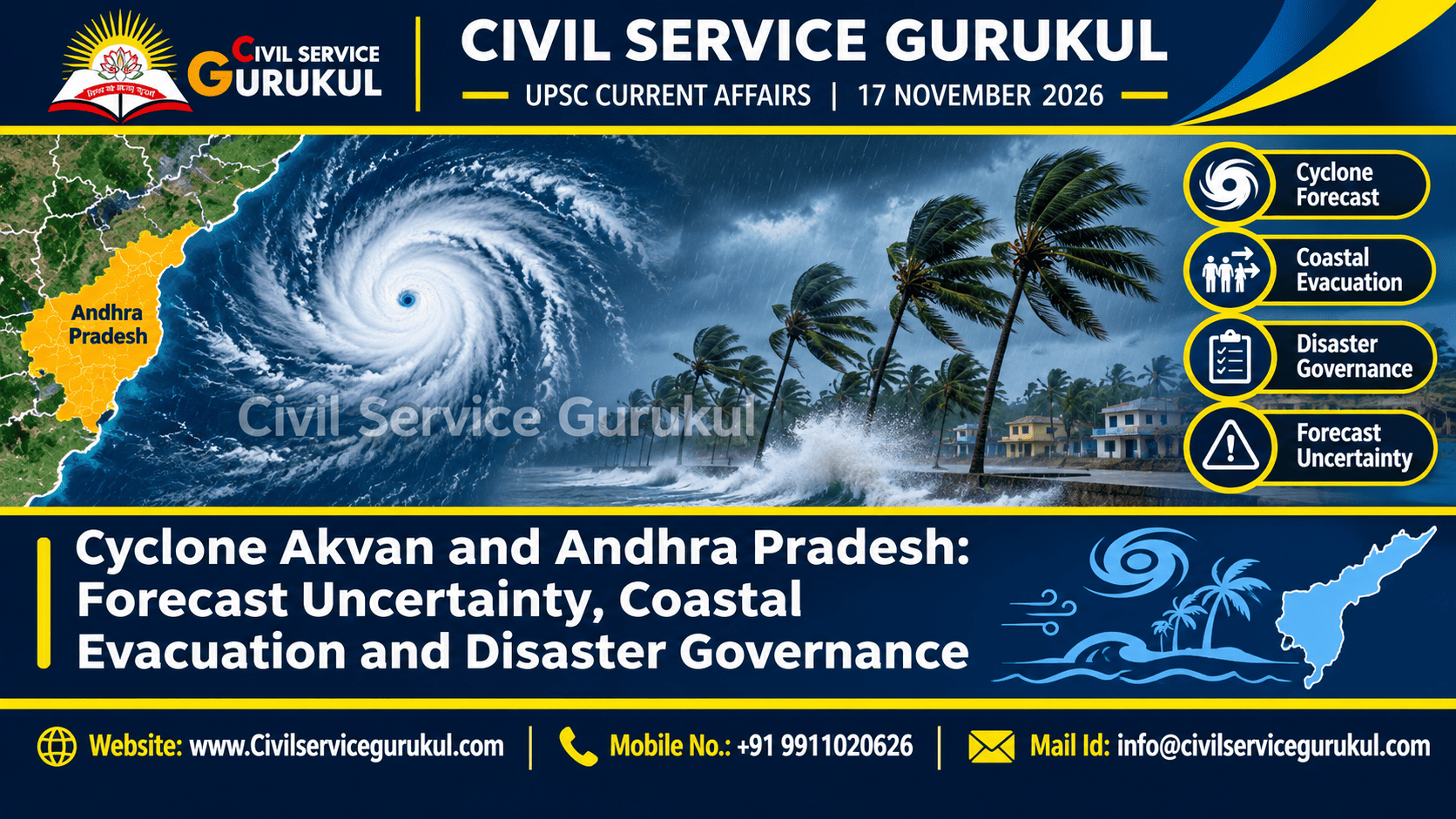
Cyclone Akvan in the Bay of Bengal: Why Andhra Pradesh's Coastal Preparedness Matters More Than Forecast Accuracy
Cyclone Akvan has brought renewed attention to cyclone forecasting, coastal evacuation and disaster preparedness along India's eastern coastline. The supplied editorial reports that IMD bulletins dated 16–17 November 2026 tracked a developing Bay of Bengal system and subsequently identified Cyclonic Storm Akvan. The key governance challenge is not merely predicting a cyclone's track but converting uncertain forecasts into timely, inclusive and actionable public warnings. This Civil Service Gurukul analysis explains cyclone formation, storm surge risks, forecast uncertainty, Andhra Pradesh's coastal vulnerabilities, institutional responsibilities and strategies for equitable disaster preparedness.
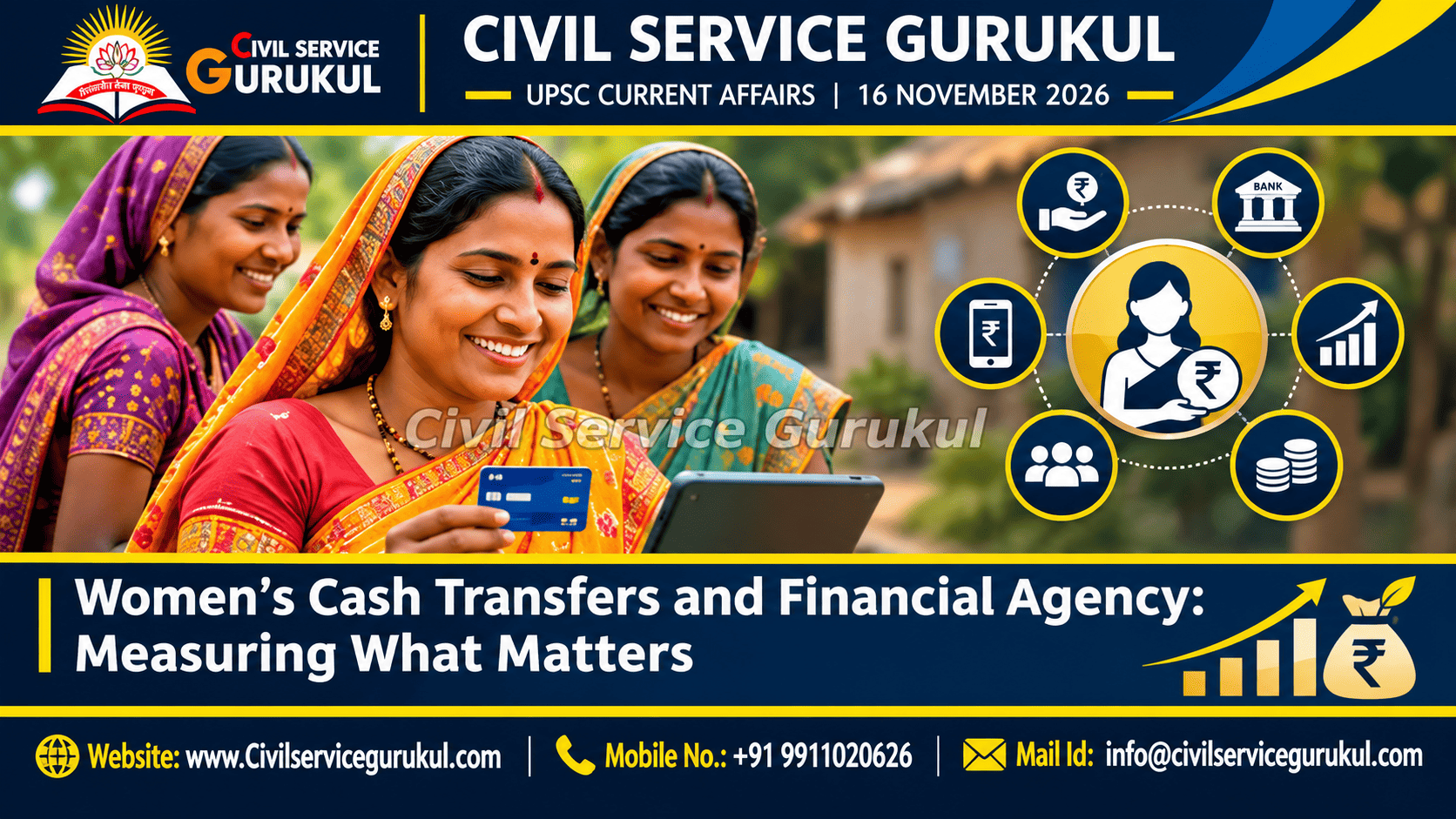
Women's Cash Transfers in India: Empowerment & UPSC
Women-focused cash transfers have emerged as an important welfare policy instrument in India. Regular financial assistance may improve household consumption, reduce immediate economic insecurity and expand women's choices. However, receiving money in a bank account does not automatically ensure financial independence or economic empowerment. True financial agency depends on women's control over resources, reliable payments, access to banking services, mobility, childcare, employment opportunities and freedom from coercion. This Civil Service Gurukul analysis examines the opportunities, limitations, governance challenges and fiscal implications of women-focused cash transfers, with UPSC Prelims and Mains preparation.
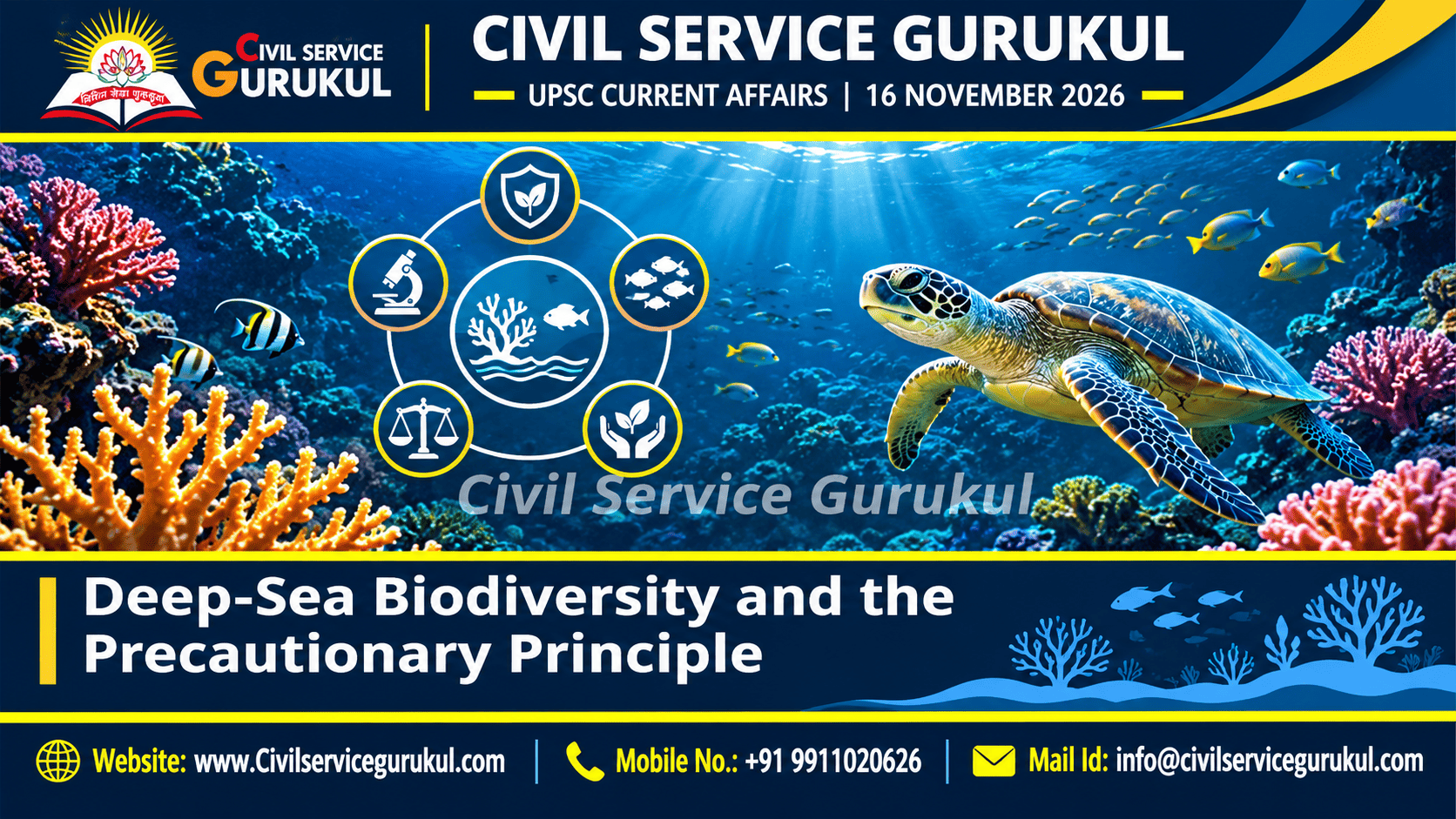
India's Deep Ocean Mission: Can We Explore the Seabed Without Destroying Marine Biodiversity?
India's deep-ocean ambitions present opportunities for marine scientific discovery, seabed mapping, advanced engineering and the exploration of ocean resources. However, deep-sea ecosystems remain poorly understood, and environmental disturbances may have long-lasting consequences. The precautionary principle calls for careful assessment before potentially harmful activities proceed. This Civil Service Gurukul analysis examines India's Deep Ocean Mission, human-occupied submersibles, marine biodiversity, seabed mineral extraction, environmental uncertainty, scientific safeguards and sustainable ocean governance.
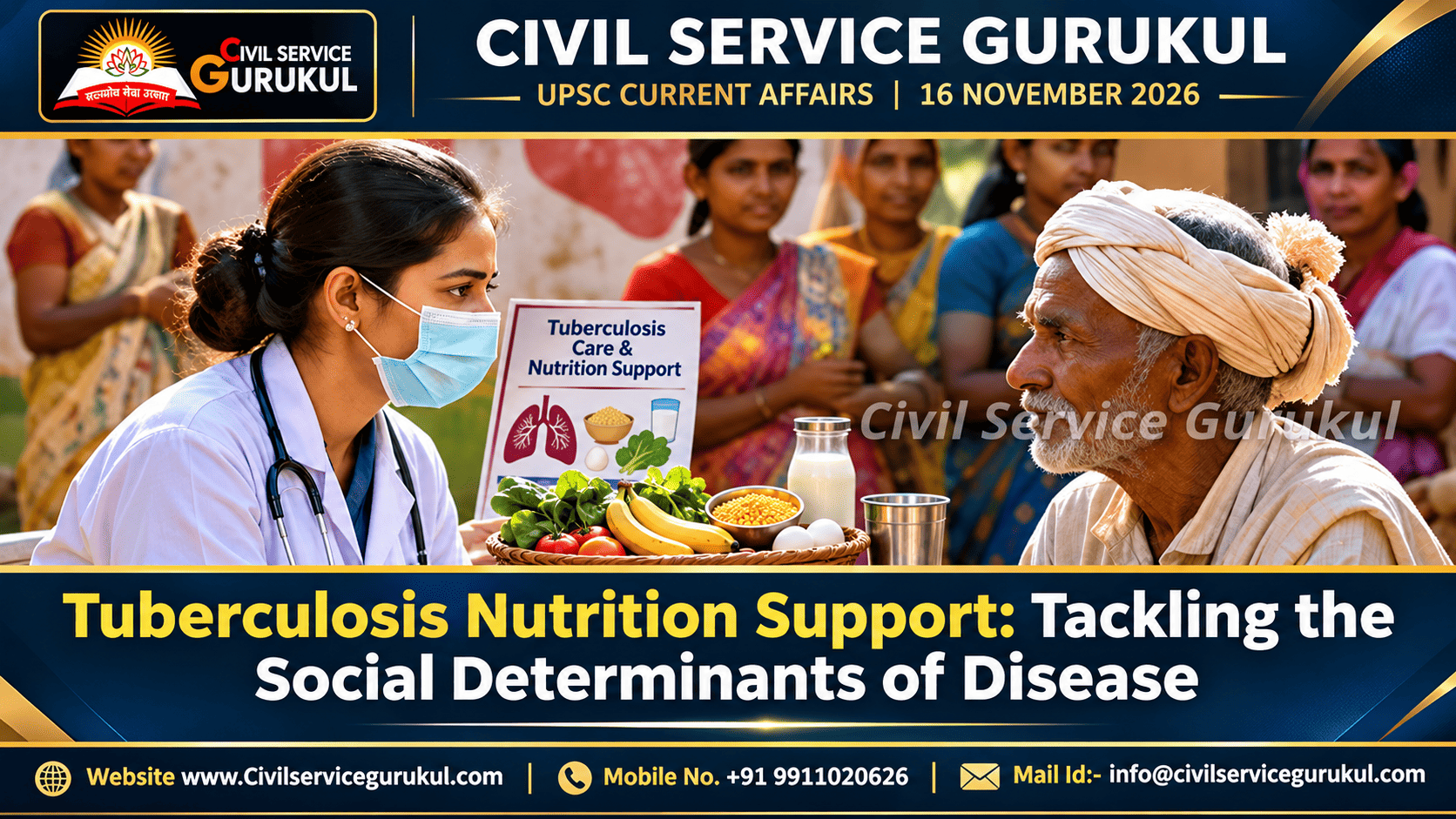
India's Fight Against Tuberculosis: Why Nutrition, Poverty and Social Protection Matter Beyond Medicines
India's fight against tuberculosis requires more than timely diagnosis and effective medicines. Malnutrition, poverty, inadequate housing, income insecurity, social stigma and fragmented healthcare can undermine treatment adherence and recovery. Nutritional assistance and patient-centred follow-up are therefore essential components of a comprehensive TB response. This Civil Service Gurukul analysis examines the social determinants of tuberculosis, drug resistance, healthcare financing, nutrition support, public health governance and policy measures needed to strengthen India's TB elimination efforts.
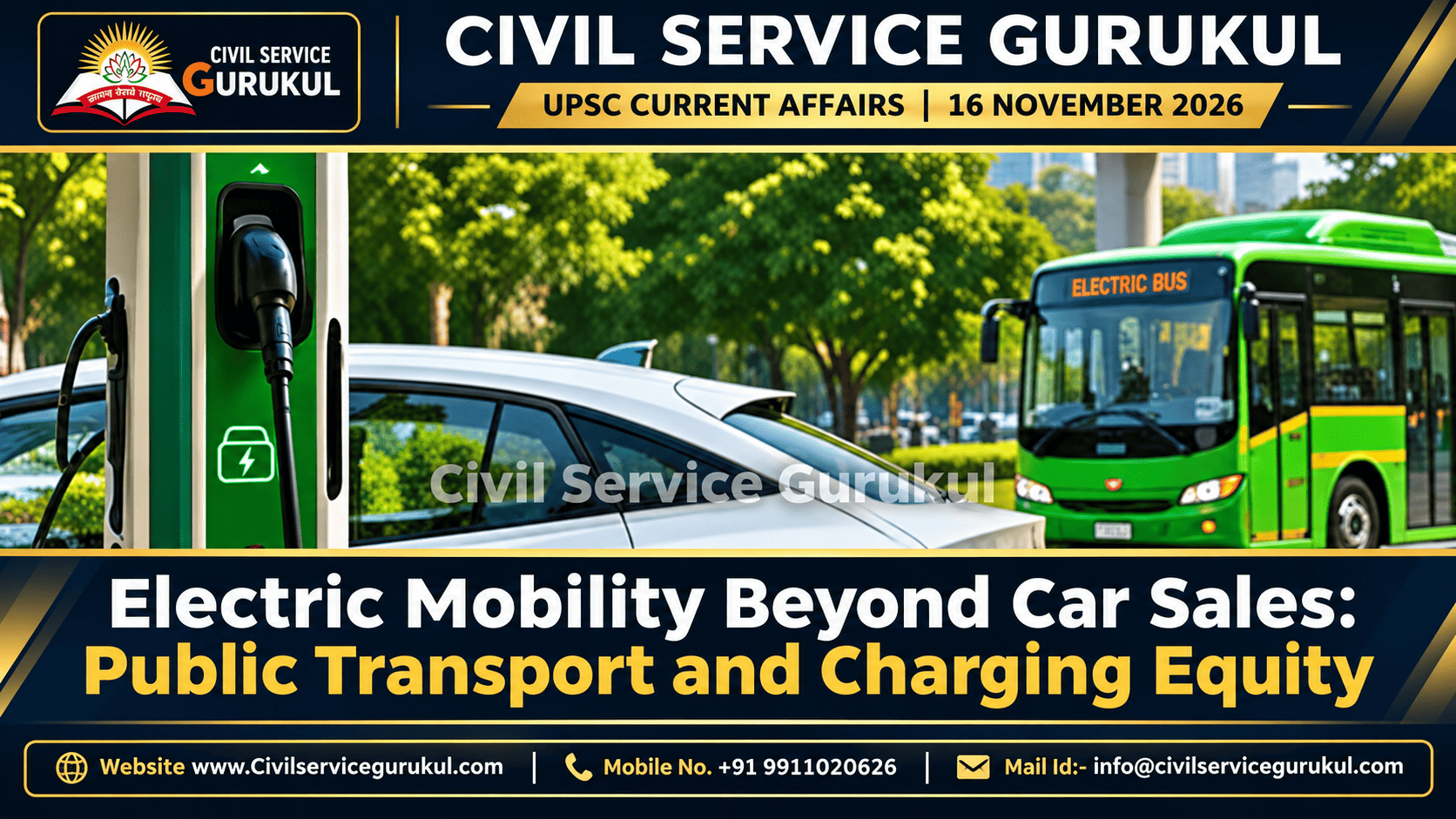
India's Electric Mobility Revolution: Why EV Sales Alone Cannot Solve Urban Transport Challenges
India's transition to electric mobility presents opportunities to reduce transport-related pollution and dependence on petroleum fuels. However, increasing electric car sales alone cannot guarantee sustainable urban transport. Congestion, weak public transport, inadequate pedestrian infrastructure, unequal charging access and electricity generation patterns remain important challenges. This Civil Service Gurukul analysis examines electric vehicles, public transport reform, EV charging equity, lifecycle emissions, vehicle sales statistics and policy priorities for building cleaner, accessible and inclusive Indian cities.
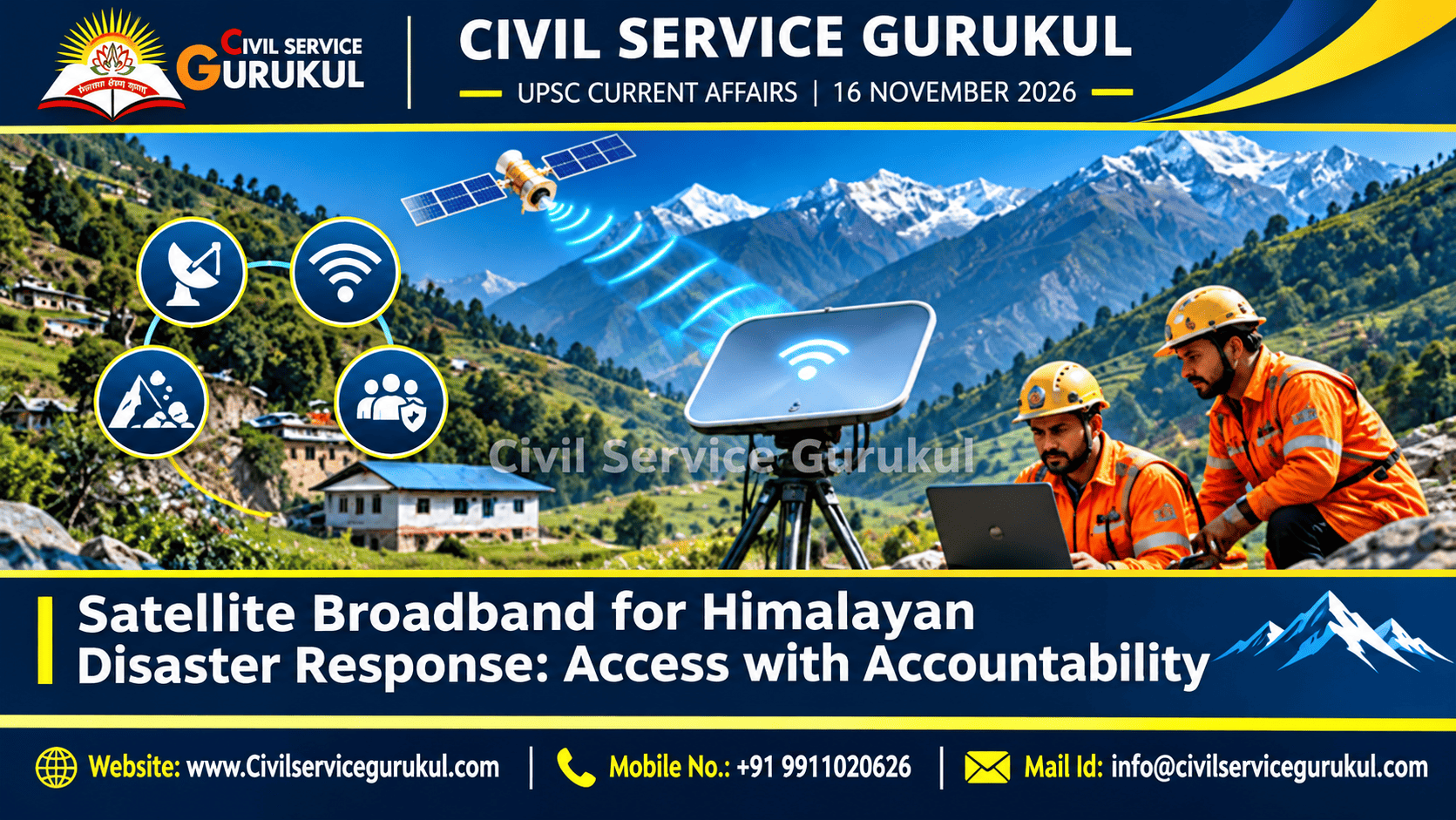
Satellite Internet in the Himalayas: Can Space Technology Transform India's Disaster Response?
Himalayan communities face serious communication challenges during landslides, floods, earthquakes and other natural disasters. When terrestrial networks fail, satellite broadband can provide an alternative means of communication for emergency warnings, rescue coordination and telemedicine. However, satellite connectivity also depends on functioning ground terminals, electricity, trained personnel and reliable network management. This Civil Service Gurukul analysis examines low-Earth-orbit and geostationary satellites, disaster communication resilience, digital inclusion, cybersecurity, sovereign controls and the need for accountable emergency connectivity governance.